Organic Vegan Fair Trade Shop Trends: What People Actually Want

Something shifted in the last couple of years. Not just a quiet trend tick-up, but a real, noticeable change in what people are reaching for when they shop at an organic vegan fair trade shop or browse an eco shop online at 11pm because they finally remembered to order dish soap.
People aren't just grabbing the "eco option" anymore as some kind of guilt offset. They're getting specific. Annoyingly, wonderfully specific.
What Shoppers at an Organic Vegan Fair Trade Shop Are Actually Buying Right Now
Okay so here's what I've been noticing, both from talking to people and just... paying attention. The customers coming into sustainable spaces, whether that's a physical store or an ethical online marketplace, they're not browsing anymore. They come in with a list. They know what a zero waste store online carries. They've done the research.
The biggest movers right now? Bamboo kitchen products are absolutely everywhere. Bamboo dish brushes, bamboo cutlery sets, bamboo chopping boards. It makes sense, honestly. Bamboo grows absurdly fast, it's biodegradable, and it doesn't look like you're trying to prove something by having it on your counter. My own kitchen has quietly become about 40% bamboo over the last 18 months, which I did not plan but also have zero regrets about.
Right alongside that, biodegradable household goods are finally getting good. Like, actually good. Not "it works okay if you use twice as much" good. I'm talking compostable bin liners that hold up, dissolvable cleaning tablets from brands that actually work, beeswax-free wraps (for the fully plant-based crowd) that stick properly. The quality gap between conventional and biodegradable has shrunk a lot. Research from the Ellen MacArthur Foundation has been tracking this shift toward circular materials, and the data on consumer demand is pretty clear.
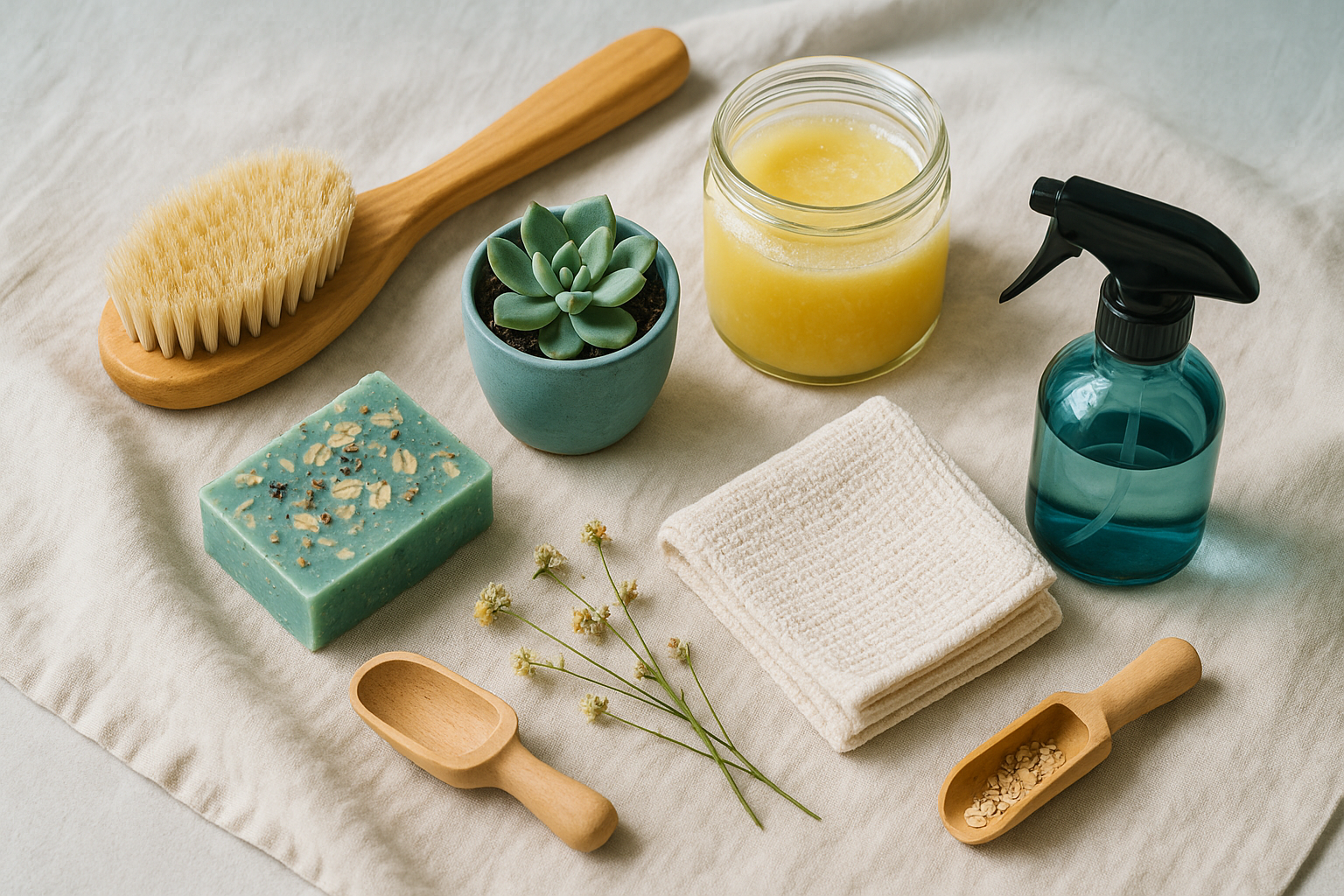
Low-waste household products are probably the category with the most momentum right now. Shampoo bars, laundry strips, concentrated cleaning refills. Stuff that cuts down on plastic without asking people to totally reinvent their routine. That's the part that matters. Nobody wants a 45-step process to wash their kitchen floor.
The Plastic-Free Products Shop Effect: Why People Are Making the Switch
Here's a real thing that happened to someone I know. She'd been meaning to switch to a plastic-free products shop for ages, kept it bookmarked, kept not doing it. Then she watched a pretty harrowing documentary about ocean plastic one Sunday afternoon (the kind where you're eating cereal and suddenly feel terrible about the bowl you're eating it from), and by Monday she'd placed an order.
That's not unusual. A lot of people describe some version of that moment. A switch flips.
But here's the thing: she didn't go full zero waste overnight. She started with reusable eco products that replaced what she was already buying. Reusable cotton rounds instead of disposable ones. A stainless steel water bottle. Beeswax wraps. Small, painless substitutions. That's actually the pattern I see most often, and it's a smart one. Trying to overhaul everything at once is how people burn out and go back to buying whatever's easiest at the supermarket.
The plastic-free category inside a sustainable lifestyle shop has expanded massively because of this. It's not niche anymore. It's expected. And the eco-friendly products online market has grown to match, with a lot more options now than even three years ago.
Non-toxic home products are another massive one. People are reading ingredient labels on cleaning sprays now the way they read food labels a decade ago. Studies published on PubMed have linked certain conventional cleaning product chemicals to respiratory issues, and honestly, once you know that, it's hard to unknow it. Plant-based, non-toxic alternatives aren't hard to find anymore. They're in mainstream stores. But the selection and depth you get from an ethical superstore eco products range? Still way better.
Eco-Friendly Beauty Products and Clothing: The Two Categories Growing Fastest
I'll be honest, I did not expect eco-friendly beauty products to move this fast. A few years ago, the options in a sustainable space felt limited and a bit... beige. Earthy packaging, limited shades, the implicit suggestion that you were choosing ethics over aesthetics.
That's changed completely.
Natural beauty is having a proper moment. Tinted SPFs with ethical sourcing, vegan mascaras that actually hold a curl (I've tested a lot of these, don't judge me), solid skincare bars that work just as well as their bottled counterparts. The eco-friendly beauty products category inside a green products online shop is one of the fastest-growing segments because the products genuinely compete now. They're not the sacrifice option.
Same story with eco-friendly clothing store offerings. Organic cotton, Tencel, recycled fibres, deadstock fabric. Shoppers are asking harder questions about supply chains, about who made the garment, about whether a brand's fair trade certification is legit or just a sticker they paid for. The ones that can answer those questions clearly are the ones doing well. The ones who can't are getting called out pretty quickly because the communities around responsible consumer products are well-informed and not especially patient with greenwashing.
The Good Trade has a solid breakdown of what fair trade clothing certification actually means if you want to go deeper on that. Worth a read before your next clothing purchase.
Sustainable gifts online have also quietly become a significant category, especially in the last couple of holiday seasons. Reusable kits, experience gifts, zero-waste starter packs. People want to give gifts that don't feel wasteful. That feels new. Five years ago, giving someone a bamboo toothbrush set for Christmas would have landed weird. Now it's actually thoughtful.
How to Build a Low-Waste Home Without Losing Your Mind About It
Okay, bear with me here, because I want to be practical for a second.
The question I get most often, some version of it, is: where do you even start? There's so much stuff out there. Eco products for home and body, green cleaning, plastic-free bathroom, sustainable wardrobe. It's a lot.
Start with one room. Seriously. One room, one category.
The kitchen is usually the easiest entry point because the low-waste swaps are so tangible. Bamboo kitchen products like dish brushes and compostable sponges. Reusable produce bags. A decent compost system. Concentrated washing up liquid that comes in a glass bottle and lasts three times as long as the plastic one from the supermarket. These aren't expensive or complicated changes.
Actually, scratch that, the bathroom might be even easier. Shampoo bars. A bamboo toothbrush. A safety razor (that one has a bit of a learning curve, speaking from experience, but you get there). Reusable cotton rounds. You can swap an entire bathroom routine for eco-friendly products without spending a fortune, especially if you use an ecoproduct subscription service that spreads the cost.
The trap people fall into is buying everything at once and then feeling overwhelmed when they've spent a lot and still have a pantry full of conventional stuff. Use what you have. Replace as you run out. It's genuinely the most sustainable approach.
For sourcing, a good zero waste store online or ethical online marketplace will have bundles and starter kits that make this easier. A few I'd trust: stores that are upfront about their certifications, who their suppliers are, and what happens to their packaging. Transparency is honestly my first filter. If a shop is cagey about where their stuff comes from, I move on.
One more thing. The "sustainable lifestyle shop" framing used to feel a bit exclusive. A bit wellness-coded and expensive and not for everyone. That's shifting. More stores are offering genuinely affordable options because the manufacturing side has scaled. Reusable eco products don't have to be the premium option anymore. Some of the best bamboo and biodegradable stuff I've tried has been really reasonably priced.
Pretty powerful shift, actually.
So I guess what I keep coming back to is this: the organic vegan fair trade shop space isn't the fringe market it was even five years ago. The products are better, the prices are more realistic, the options are wider. People are voting with their purchases in a way that's actually moving the needle.
What's the one swap you've been putting off making? Genuinely curious. Sometimes it's just that you haven't found the right product yet.
---
ECOLOGY


Comments