Eco Product Trends: What People Are Actually Buying Right Now

People are spending real money on sustainable stuff right now, and the categories shifting fastest might surprise you. Not just bamboo toothbrushes and tote bags anymore.
I've been watching eco product trends for a few years now, not because it's my job, but because I genuinely find it fascinating how quickly consumer habits change when people start paying attention. And lately? The shift has been kind of wild. More people are searching for a zero waste store online than ever, and what they're putting in their carts tells a really interesting story about where we're all heading.
What's Driving the Surge in Eco-Friendly Products Online
Okay so here's the thing. A few years ago, buying eco-friendly products online felt almost niche. Like, you had to really know where to look, and the options were either underwhelming or wildly expensive. Now? There are entire sustainable lifestyle shops dedicated to every corner of your life, from your morning routine to the way you clean your kitchen.
I think what's changed is the combination of two things: price parity is improving, and people are just... tired. Tired of plastic packaging that ends up in their recycling bin but definitely doesn't get recycled. Tired of buying the same cheap thing over and over. My friend Jess, who is probably the least "crunchy" person I know, started buying biodegradable household goods last spring because, in her words, "the kitchen rolls I was buying kept falling apart and I just wanted something that actually worked." She wasn't even thinking about the environment. She was thinking about quality. And then she started reading the labels.
That's kind of how it happens for most people, I've found.
Researchers tracking consumer behavior have noted this shift in purchasing motivation too, if you want to dig into the academic side of things, there's a ton of material on sustainable consumer behavior and product choice.
The biggest categories right now, based on what's actually selling at the eco shop online level:
**Reusable eco products** (not just bags, but wraps, containers, razors, everything)
**Eco-friendly beauty products** with transparent ingredient lists
**Low-waste household products** that replace single-use stuff
**Plastic-free products** in packaging that doesn't immediately look sad
That last one matters more than people admit. Presentation used to be a real weakness in the sustainable space. Not anymore.
Eco-Friendly Beauty Products Are Having a Moment
Seriously. This is the category I did not expect to blow up quite this fast.
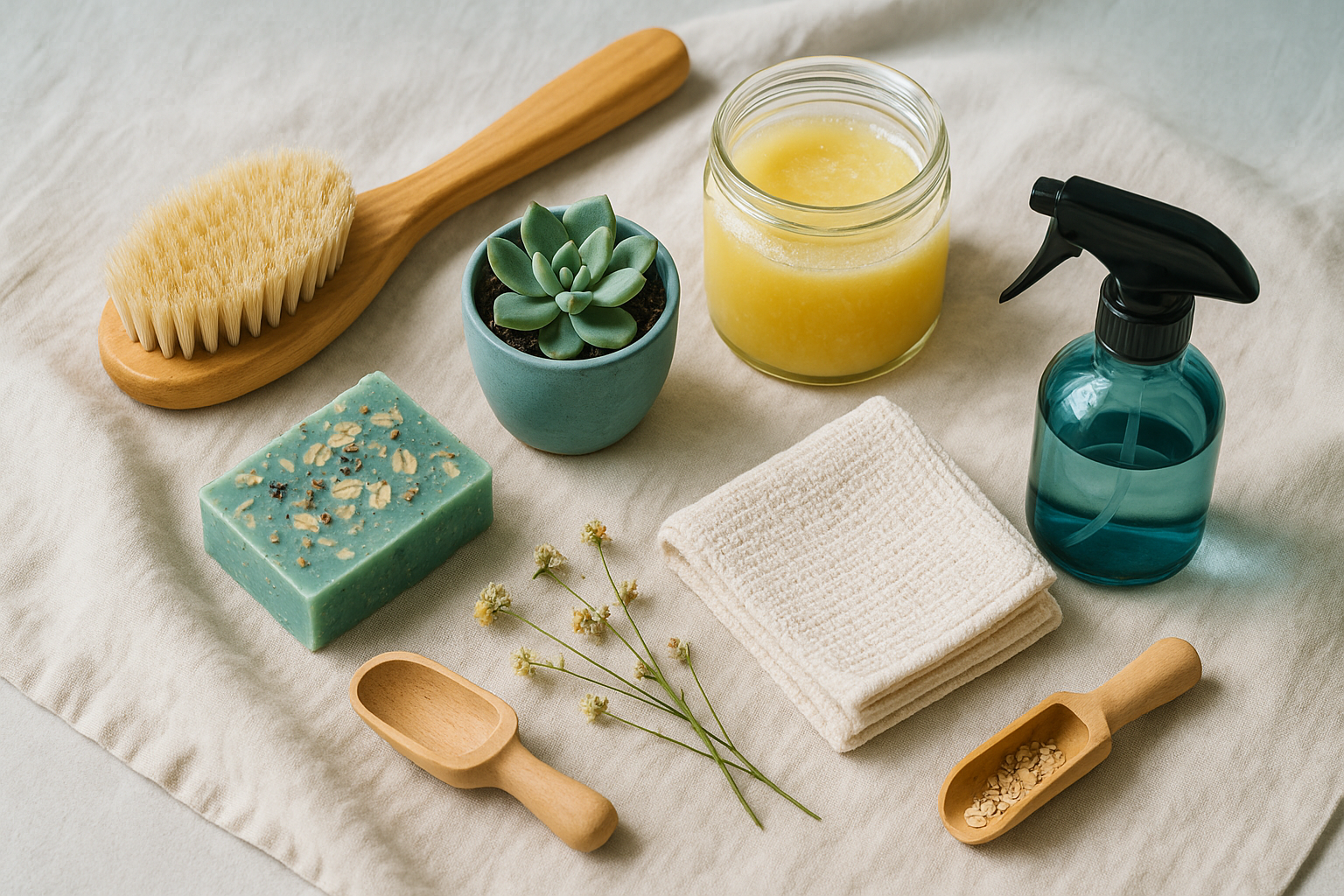
There's a whole corner of the internet that's been obsessed with eco-friendly beauty products for a zero-waste routine for a while now, but it's crossed into the mainstream in a way that feels different. Solid shampoo bars, refillable deodorant, compostable cotton rounds, tinted SPF in glass jars. Things that would've felt very "specialty store" a few years ago are now front and center at a proper plastic-free products shop, and selling out regularly.
I'll be honest, I was skeptical of solid shampoo bars for embarrassingly long. My hair is thick and kind of difficult, and I'd read enough horror stories about the "transition period" that I kept putting it off. Fine, I finally tried one. And look, there IS a transition period, but it's like two weeks and then your hair genuinely feels better. Worth it.
What's interesting about this category specifically is the research on ingredient transparency and what it actually means for skin. There's growing academic attention on natural cosmetic ingredients and skin health outcomes, which is pushing more brands to actually justify their formulations instead of just slapping "clean" on the label.
The brands winning right now are the ones being genuinely specific. Not just "free from parabens" but telling you exactly what's in there and why. Consumers have gotten good at spotting the vague stuff.
Biodegradable Household Goods and the Low-Waste Kitchen
This is where I think the most practical momentum is happening. Because it's one thing to swap your moisturizer. It's another to change how you run your entire kitchen.
But people are doing it. And not in a suffering-for-the-planet way. More like a "wait, these beeswax wraps are genuinely more useful than plastic wrap" way.
Here's a scenario I keep hearing versions of: someone moves into a new apartment, doesn't want to bring a bunch of old plastic stuff with them, and uses the opportunity to just... start fresh. They find a sustainable lifestyle shop online, spend an hour going down a rabbit hole, and come out with a set of reusable containers, a compostable sponge alternative, some biodegradable bin liners, and a bamboo dish brush. Total spend might be $60-80. And because the products are actually built to last, they don't need to replace them for a year or two. The math works out, eventually.
And yeah, the upfront cost is still a barrier for a lot of people. I'm not going to pretend otherwise. That's a real thing.
Low-waste household products that are genuinely hitting their stride right now:
Compostable bin bags (the ones that actually hold together, not the fragile early versions)
Concentrated cleaning tablets, where you add water at home and skip the heavy plastic bottle
Beeswax or plant-based food wraps, these have gotten SO much better
Dish soap bars
Unpaper towels, which, if you're rolling your eyes, I did too, and now I own three sets
Oh, and random note: cabbage. Not a household product, obviously, but I keep seeing cabbage pop up in food-waste-reduction content because it's one of the most practical vegetables for using nose-to-tail. Nothing wasted. The outer leaves, the core, all of it. It's the kind of low-waste thinking that's starting to bleed from kitchen habits into product buying habits. Whole ethos shift, basically.
If you're figuring out where to start with this stuff, the sustainable lifestyle shop guide on building a zero-waste home is genuinely useful, not overwhelming.
Sustainable Gifts Online and the Eco Shop Boom
One more trend worth talking about: gifting.
This one's interesting because it's not just about the buyer wanting eco-friendly stuff for themselves. It's about wanting to give something that doesn't create clutter or waste. Sustainable gifts online are genuinely one of the fastest-growing search categories in this space, and the products showing up are a lot more thoughtful than the novelty reusable straws of a few years ago.
Think: a beautifully packaged set of natural candles in recyclable tins, an eco-friendly clothing store gift card with an actual explanation of why the brand uses what it uses, a plastic-free starter kit for someone who's been meaning to make a change but hasn't known where to start.
I got a gift set from a zero waste store online last birthday, and I'm not exaggerating when I say it's the most used gift I've received in years. A solid dish soap bar, some compostable sponge cloths, and a little booklet about reducing kitchen waste. Incredibly unsexy on paper. I used all of it.
The eco shop online market has matured a lot in terms of how products are presented and packaged for gifting. It used to feel like an afterthought. Now there are brands building their entire model around it.
A Practical Note on How to Actually Start Buying This Stuff
Don't try to swap everything at once. That's how you end up overwhelmed and reverting to your old Amazon cart.
Pick one category. Kitchen is usually the easiest entry point because you run out of things constantly and have natural moments to replace them. Or beauty, if that's where your head's at. Then just... replace things as they run out. Don't throw away what you have to make a point. That's wasteful in a different way.
And when you're shopping at a plastic-free products shop or any sustainable brand online, actually read the about page. See if they're being specific about their supply chain and materials, or just using a lot of green aesthetic and vague language. The good ones can tell you exactly where things come from. The greenwashing ones tend to lean heavily on mood and font choice.
Okay, scratch that last part, that sounded a bit harsh. Okay no, actually it's accurate.
The responsible consumer products gaining traction in 2026 piece is worth a read if you want a broader picture of where search trends are pointing right now.
At the end of it all, I think the most interesting thing about this whole eco product moment is that it's stopped being about sacrifice. It used to be framed that way constantly. Give this up, do without that, make the virtuous choice. Now the conversation is more like: here are products that are actually good and also happen to be better for the planet. Which, honestly? That's a much easier sell.
What's one thing in your house you've been meaning to swap out but just haven't gotten around to yet?
---
ECOLOGY


Comments